

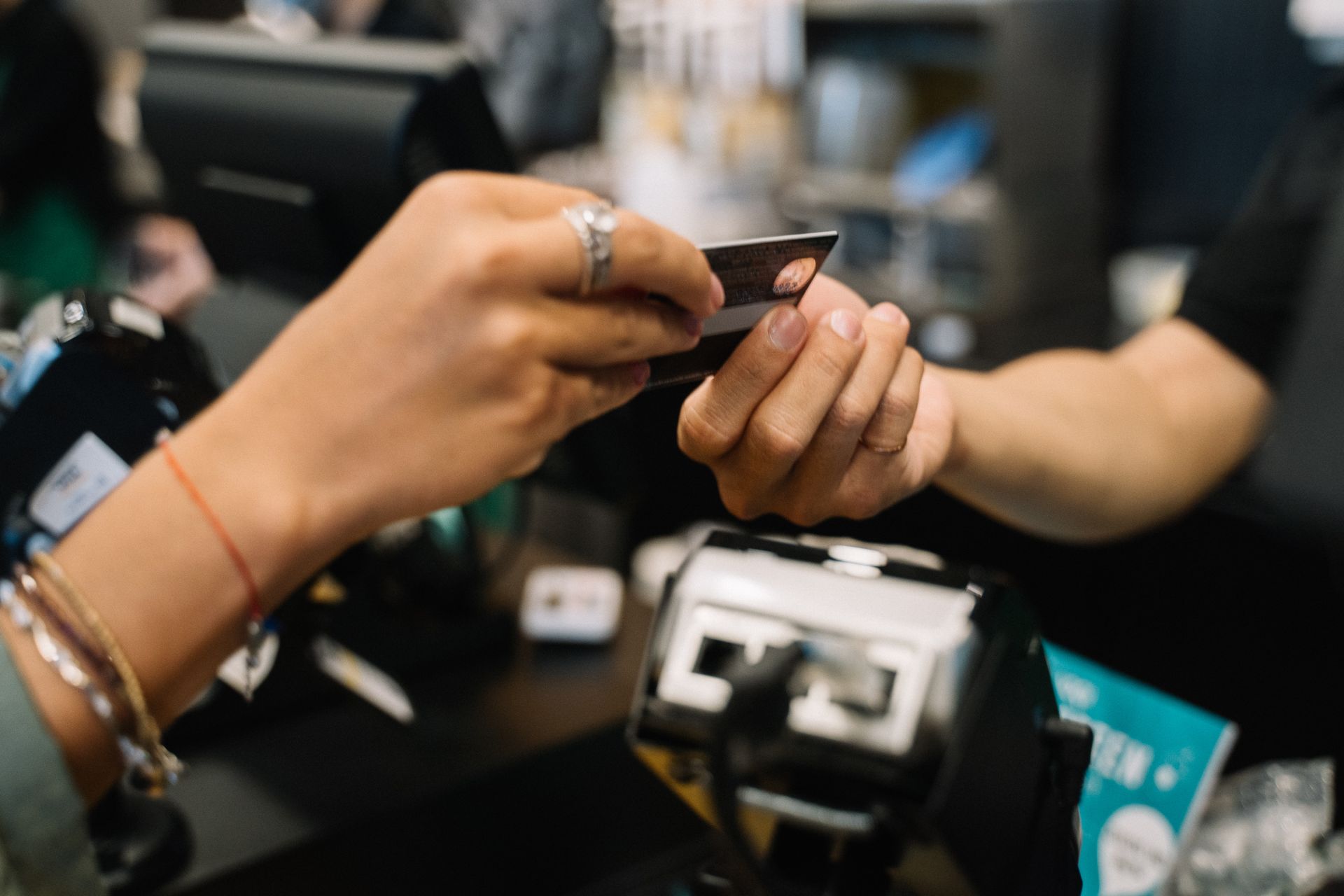
Swipe a debit card for a $40 purchase and that $40 comes out of your checking account. Swipe a credit card for the same purchase and the credit card company pays the merchant. You repay the card issuer later.
In a nutshell, that’s most of the difference between a debit card and a credit card.
If you’re opening a first checking account or starting a first job, you’ve got a decision to make about how to manage your spending. Think about where the money comes from before you decide on a debit vs. credit card. A debit card gives you access to money you already have. A credit card lets you borrow up to an approved limit. Explore some more details below to learn how they work (and when to choose one or the other).
How Does a Debit Card Work?
A debit card connects to a checking account.
Let’s suppose you have $600 available in that checking account, and then you swipe your debit card to spend $50 at a store. That transaction will pull out money from what’s available in your account. You now have about $550 available, assuming no other pending transactions.
Debit cards can also be used at ATMs to withdraw cash — this is the same as walking into the bank and asking a teller to take the cash you’ve saved up out of your account. Many debit cards will work for online purchases as well.
If you are learning how to use a debit card, get into the habit of checking your available balance regularly. Purchases can appear as pending transactions before they fully post to the account, so your balance can change a little bit as transactions settle.
Debit cards do not create a monthly bill for the purchases you’ve made. Because the money comes right from your deposit account, it’s all paid up as soon as you make the purchase.
How Does a Credit Card Work?
A personal credit card uses borrowed money. It’s kind of like a loan.
The card issuer gives you a credit limit. If your limit is $1,000 and you make a $100 purchase, you have used $100 of that available credit and still have $900 remaining before you reach that limit. The purchase does not pull $100 of your own money from your checking account at the time of sale.
Later, the card issuer sends a statement showing what you owe (usually, you can also view this statement digitally or through an online profile or an app). You can pay the statement balance from money you have saved in your bank account.
Interest can apply when balances carry from one billing cycle to another. Credit card activity can also affect your credit history. Payment history and the amount of available credit you use are among the factors that can influence a credit score. It’s good to have a history of using and paying back credit in a timely fashion. However, when you carry a high balance that isn’t paid back yet, that hurts your overall credit score.
Debit vs. Credit Card at a Glance
Debit Card |
Credit Card |
|
|
Where the money comes from |
Your checking account |
Money borrowed from the card issuer |
|
What happens after a purchase |
Your available account balance decreases |
The purchase becomes part of your credit card balance |
|
Monthly bill |
No separate card bill |
Yes |
|
Interest |
No interest charged on purchases |
Interest may apply to unpaid balances |
|
Credit history |
Standard debit use does not build credit |
Account activity can affect your credit |
|
Spending limit |
Generally tied to available funds and account limits |
Set by the credit card issuer |
|
ATM access |
Common use |
Cash advances may carry fees and interest |
When Should I Use a Debit Card?
A debit card is great for routine spending when you want purchases to come right from money that’s already in your account.
People who are new to managing money often find it easier to budget this way. Every debit transaction reduces the available balance, so you always have a clear idea of how much spending money remains.
However, you also have to remember to pay close attention to that balance. A debit card may look and feel like a credit card at checkout, but you can’t spend money you don’t have. If your account balance runs out, you won’t be able to use the debit card (or any other way of accessing the account) to pay for things you may need — like gas or a phone bill. Make sure to budget carefully so you’ll always have money left for essentials that are coming up before your next paycheck.
When Should I Use a Credit Card?
Credit cards work best when you understand how to budget for repayment and are confident that you can manage the debt with care.
Responsible credit card use helps establish a credit history. A good rule of thumb is to try and use your credit card at least once every three months or so to keep it active. Good credit history will help you out later on when you apply for financing like an auto loan or mortgage.
Whenever possible, make sure to pay the statement balance in full by the due date. That will help you avoid interest on purchases. Some cards also provide a grace period before interest kicks in — make sure to read the fine print about how the card works.
→ Secured Credit Cards Are Another Option
For someone new to credit, a secured credit card might be a better, more controlled starting point. These cards need a refundable security deposit — often from a parent — which will be used to pay off the card if the user fails to do so. It’s a safer way to establish a credit limit and not get stuck in credit card debt by accident. Account activity on secured credit cards can be reported to the credit bureaus just like non-secured credit cards to help build credit history.
Always Know Where the Money Is Coming From
The simplest rule is to know where the money is coming from each time you use a card.
- With debit, you are spending money from checking. You have to have money saved up in the account to use the card. Even if you do, make sure not to spend money that you know you’ll need soon for something else important.
- With credit, you are borrowing money that needs to be repaid. Where will that money come from? How soon will you have it to make a payment? Make sure you don’t borrow more than you can repay.
Security State Bank Wyoming helps new, first-time account owners learn the banking basics behind checking accounts and debit cards every year. Families have used our community bank to teach and learn money management for generations. When you are ready to explore credit, talk with a local banker about options that fit your experience and financial goals.
FAQs
What is the main difference between a debit vs credit card?
A debit card uses money from your checking account. A credit card uses borrowed money that you repay to the card issuer.
Does using a debit card take money out of my account?
Yes. Debit card purchases reduce the funds available in your checking account.
Can a debit card help build credit?
Standard debit card activity does not generally build a credit history because you are spending deposited funds rather than borrowing money.
What happens if I use a credit card?
The purchase is added to your credit card balance. You later receive a statement showing the amount you owe.
Do credit cards charge interest?
They can. Interest may apply when you carry an unpaid balance according to the terms of your card.
Is a debit card good for a first account?
It can be. A debit card provides convenient access to a checking account and gives new account owners practice managing an available balance.
What is a secured credit card?
A secured credit card generally requires a refundable deposit that helps establish your credit limit. It can provide a starting point for building credit when used responsibly.
Should I check my balance after using a debit card?
Yes. Regularly reviewing your available balance helps you track spending and see how much money remains in your checking account.