

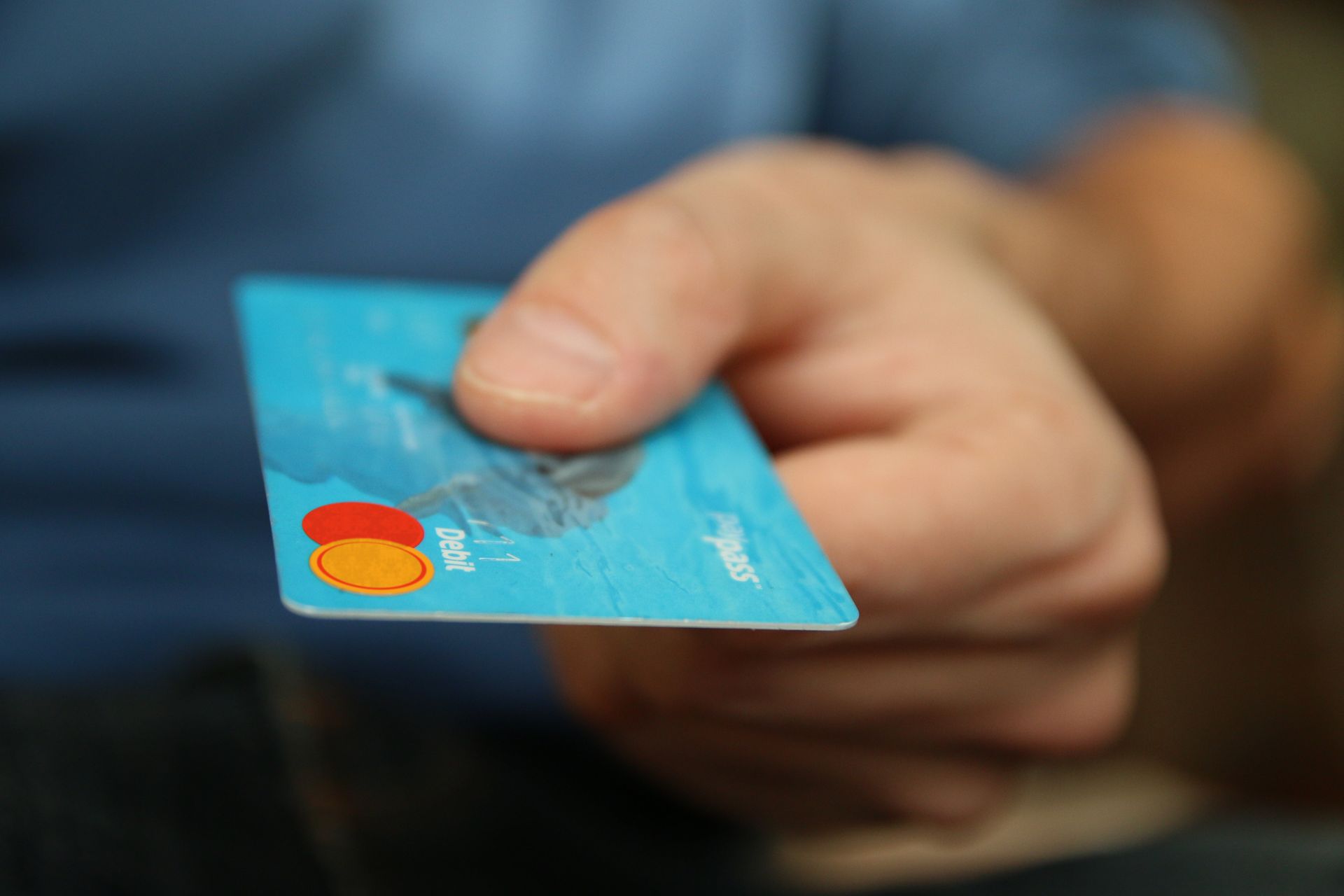
It’s exciting to get that first paycheck. At this point, you may be opening your first checking account and realize you have a lot of questions. How does a checking account work? Where does your money go? How do debit cards, direct deposit, and ATMs all fit together?
Don’t worry — checking accounts are designed to make everyday saving and spending easy.
What is a Checking Account and How Does It Work?
A checking account is a safe place to keep money you'll use regularly. It’s called “checking” because it comes with a book of checks — it was traditionally designed to let people write paper checks to pay for things and move money. Even though people mainly use debit cards and digital apps to use their checking account money today, the historical name remains.
You could carry cash everywhere, but that takes up space and it could be misplaced or stolen. Instead, consider depositing your paycheck into your checking account so you can spend it as you need it with just a tap or swipe and your PIN.
Your checking account gives you access to everyday banking services like:
- Debit card purchases
- ATM withdrawals
- Direct deposit
- Online and mobile banking
- Bill payments
It's the account most people use for everyday life.
The Life of a Dollar
Let's follow one dollar from payday to purchase.
Your employer sends your paycheck through direct deposit. You may not get a paper check, though. The money can go straight into your checking account.
Once the deposit is available, your account balance increases. That balance represents the money you have available to spend.
You stop for lunch and use your debit card. The purchase amount comes directly from your checking account, reducing your available balance. A checking account is not like a credit card — you use the card to spend money that you actually have in the account, and when you do, the balance goes down. Be careful that it doesn’t run out!
Later that week, you withdraw cash from an ATM for a school fundraiser. That cash also comes from the same account.
When your phone bill is due, you might pay it through online banking. Again, the money comes directly from your checking account.
Your balance changes every time money comes in or goes out. Keep an eye on that balance so you don’t spend more than you have. Depending on your bank, this could either cause the purchase to fail or put your account in a negative balance and incur a fee as a penalty for overdrawing it.
What's the Difference Between a Debit Card and a Credit Card?
First-time account owners look at a debit card and might see it like a credit card. After all, some debit cards even have credit card brand logos on them (like VISA or Mastercard). They’re not the same, though.
A debit card spends money that's already in your checking account. It is only connected to money you actually have, and when you use the card, that money leaves your bank account.
A credit card lets you borrow money from the credit card company (like a loan), up to a certain limit, and then pay it back later. It may charge you interest each month if you don’t pay it off right away.
If you use your debit card to buy a $25 sweatshirt, $25 leaves your checking account. There's no bill waiting for you next month — you've already paid for it!
What Is Required When Opening a Checking Account?
It’s easy to open your first checking account. Maybe even easier than you’d expect! Most banks will ask for:
- A government-issued photo ID
- Your Social Security number
- A minimum opening deposit, depending on the account (usually it’s low, somewhere between $5 and $50)
If you're under 18, a parent or guardian may also need to be involved. A banker can explain your account options and answer any questions before you open one.
What Is the Benefit of a Checking Account?
A checking account helps you manage your money in a safe, convenient way:
- Safety: Unlike cash, it’s easy to track and protected by the bank. If you lose your card, you can cancel and replace the physical card and can generally get any money you lost to fraud reimbursed. That’s not possible with physical cash.
- Convenience: You can receive your paycheck instantly through direct deposit, make quick purchases with your debit card wherever you go or online, withdraw cash if and when you need it, and keep careful track of every transaction through online or mobile banking. With your checking account, you don’t need to wonder where your money went. You'll always have a record of deposits, purchases, and payments.
Start Banking With Confidence
Everyone opens their first checking account at some point. After your first deposit and a few everyday purchases, the process quickly becomes familiar.
If you're ready to open your first checking account, talk to a banker at Security State Bank Wyoming. We’ll walk you through the process and answer your questions so you can choose the account that fits your needs.
FAQs
How does a checking account work?
A checking account holds money for everyday spending. You can deposit money, use a debit card, withdraw cash, pay bills, and track your balance through online or mobile banking.
What is a checking account used for?
Checking accounts are designed for everyday financial activity, including receiving paychecks, making purchases, paying bills, and accessing cash.
What do I need to bring when I open my checking account?
Most banks ask for a government-issued photo ID, your Social Security number, and any required opening deposit. Minors may also need a parent or guardian to help open the account.
What is the benefit of a checking account?
A checking account provides a safe place to keep your spending money while giving you convenient access through debit cards, ATMs, direct deposit, and digital banking.
Can I get my paycheck deposited into my checking account?
Yes. Many employers offer direct deposit, which sends your paycheck directly into your checking account on payday.
Can I withdraw cash from my checking account?
Yes. You can withdraw cash from an ATM, visit a bank branch, or receive cash back at many retailers when using your debit card.
What happens if I spend more money than I have?
Spending more than your available balance may result in an overdraft or declined transaction, depending on your account settings and the bank's policies.
Should I open a checking account or a savings account first?
Many first-time account owners begin with a checking account because it's designed for everyday spending. A savings account can be added later to help build emergency savings or work toward future financial goals.