

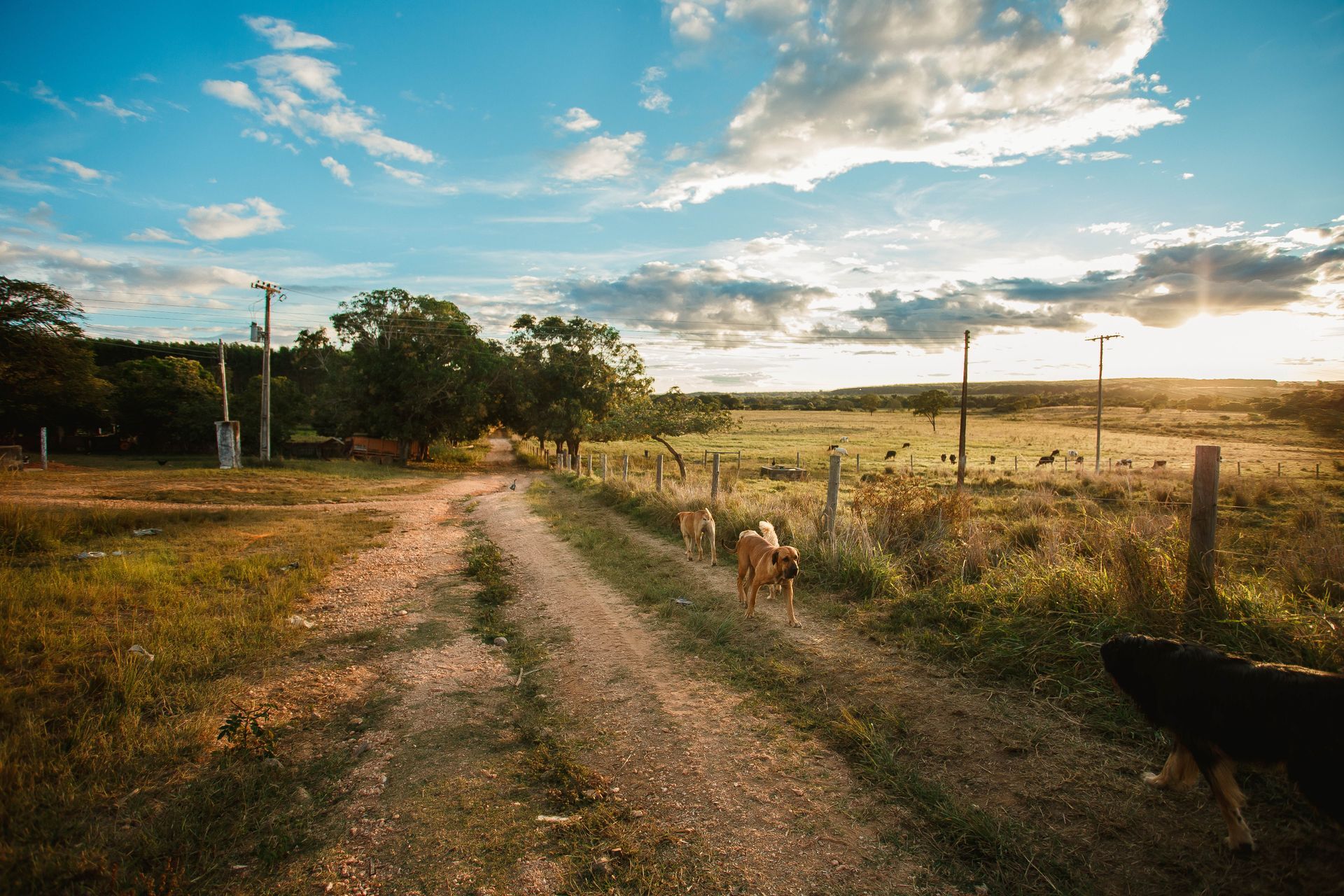
Sometimes a ranch stays in one family for generations and still reaches a point when nobody has clearly said who is supposed to run it next.
Have you ever seen a situation like this? Dad’s still making most of the operating decisions. The eldest child has worked beside him for years, and a middle kiddo lives out of state. The third (the baby) cares deeply about keeping the land in the family…but has no interest in raising cattle.
Whether or not you’ve heard it before, it’s a common story. Where would farm succession planning even start? The paperwork can wait until later. Families first have to decide what they want the future of the operation to look like.
The Hardest Part May Be the Family Meeting
Succession conversations are uncomfortable because they touch money and mortality at the same time. Your family is forced to talk about feelings and work or money details that may have gone unspoken for years.
Who is already managing the ranch day to day? Who wants that responsibility eventually? Does someone expect to inherit ownership without working in the operation? How will the retiring generation support itself after giving up some control?
Each of these simple business questions has sensitive family history attached.
The University of Wyoming describes ranch and farm succession as the “transfer of management and assets to a new generation.” Your family business is an enormous asset. Succession planning includes a series of simultaneous processes: business planning, retirement planning, and transfer and estate planning. It’s tough for a ranch family to decide how the operation will function at the same time that an attorney is coming in to document who owns what.
So do some groundwork before the family drowns in legal details. A productive first meeting doesn’t have to accomplish any more than getting everyone’s expectations into the open. That’s still progress.
Ownership & Management Move at Different Speeds, and That’s Okay
A common assumption in family farm succession planning is that ownership changes hands all at once. It rarely needs to.
You could have a son or daughter start to manage a finite element of things — say, cattle purchases — while the parents continue to handle the overall finances. Over time, give the chosen successor more responsibilities, perhaps for employees or cropping decisions. Consider transferring ownership of equipment first, separate from the land itself.
A staged approach will give the next generation more time to prove itself and allow the current owners time to adjust. You’ve also created time and room to fix problems before the entire business changes hands.
Land Gets the Glory, But Don’t Neglect the Financial Details
“Ranch” is a word for land. Naturally, ranch succession planning will include the land, but acreage doesn’t keep your agricultural business’ lights on. Try not to get lost in the details of whose name is on the property. Financial details will be more important to the future.
If your family spent decades building the operation, one purchase at a time, the financial structure became second nature to the people running it somewhere along the way. The next generation has to understand that structure to take it over.
Who owns the baler? The operating line? Cattle generate the income that keeps the operation moving, so which cattle belong to which generation?
Then there is debt. A successor who receives valuable assets may also inherit an operation with significant repayment obligations. What if machinery has outstanding loans? Someone has to own those obligations, too. Nail down loan maturity dates and collateral arrangements.
Once the family knows what‘s transferring and what debt stays with the operation, the legal and tax work will have something concrete to follow. Your attorney can handle the ownership documents as your tax professional works through the tax consequences. A lender is likely to be involved, too, to review any existing financing and help your family decide how the ranch transfer will function within the business’ cash flow.
What if Siblings Want Very Different Futures?
Fair does not always mean equal. Let’s suppose, just for example, that one sibling has worked on the ranch for fifteen years, and another built a career in Denver. If you split every acre fifty-fifty, that seems equal, right? On paper, it is, but it also creates a difficult business arrangement with an inexperienced equal partner and a potential power struggle.
A different ranch family could have two involved children who genuinely hope to operate together. This still leaves some questions about authority and compensation if other heirs simply want their share of the estate in cash.
If at all possible, surface these issues while the current owners are still there to shape the answer. It’s always harder to go through family business succession planning when surviving family members have to interpret intentions after the fact.
Give the Next Generation Years to Prepare
The agricultural workforce is aging. The USDA’s 2022 Census of Agriculture found that the average U.S. producer was 58.1 years old. Another 38% of producers were 65 or older. Producers had also been farming for an average of 23.4 years.
Decades of knowledge cannot simply be transferred with a deed. The older the ranching and farming population gets, the more urgent it is that we open up family conversations in the American heartland about succession planning.
Your chosen successor is likely to need several years to truly understand all the minutiae, like grazing decisions or lender relationships. They’ll need to experience a weak cattle market for themselves after a few years on the job to be able to contextualize it against better years. Depending on the state of the business, they may also need time to build enough financial strength to purchase new equipment or ownership interests.
Don’t wait until retirement. It compresses all of that development into a short window.
Add Your Lender to the Succession Conversation
A family banker does not decide who gets the ranch, but your bank is a perfect resource to clarify what the operation can financially support and what it can’t.
Get in touch with your preferred lender to review existing loans and collateral, first. They’ll be able to help you estimate how much debt a successor could reasonably carry. Say one heir wants to buy out another or purchase equipment from the retiring generation. Your bank will facilitate the conversation around feasible debt payments and borrowing limits.
Longstanding banking relationships make everything easier because the lender already understands the operation’s revenue cycle and history.
Security State Bank Wyoming works with agricultural families in Basin and Worland as well as ranching customers throughout our Wyoming markets. Succession conversations always span generations. We know the customer sitting across the desk today may be the same child who came into the branch with Mom or Dad years earlier.
FAQs
What is farm succession planning?
Farm succession planning prepares for the transfer of management and ownership of a farm or ranch to another person or generation.
When should ranch families begin succession planning?
Families benefit from beginning years before the current owner plans to retire. A longer timeline allows future managers to build experience and gives families time to work through financial decisions.
Does a farm succession plan include more than land?
Yes. Equipment and livestock may need to transfer as well. Existing loans and business entities can also affect the plan.
Do all children need to receive equal ownership of the ranch?
Every family situation is different. Some heirs may work in the operation while others pursue different careers. Families should discuss goals with qualified legal and financial professionals before deciding how assets will transfer.
Can ranch ownership transfer gradually?
Yes. Management responsibilities and ownership interests can change at different times. Some families transfer responsibilities over several years.
How does existing farm debt affect succession planning?
Debt can influence what a successor can afford and how assets can transfer. Families should review outstanding loans along with collateral and repayment requirements during the planning process.
What professionals should help with farm succession planning?
Families may work with an attorney and tax professional. A lender can address financing and existing debt. Extension professionals can also provide succession planning resources.
How can a community bank help with ranch succession planning?
A community bank can help families review existing financing and discuss borrowing needs connected with a transition. Long-term lender relationships can also provide useful context about the operation’s financial history.